36% of Consumers Have Delayed a Payment Because The Process Was Too Complicated
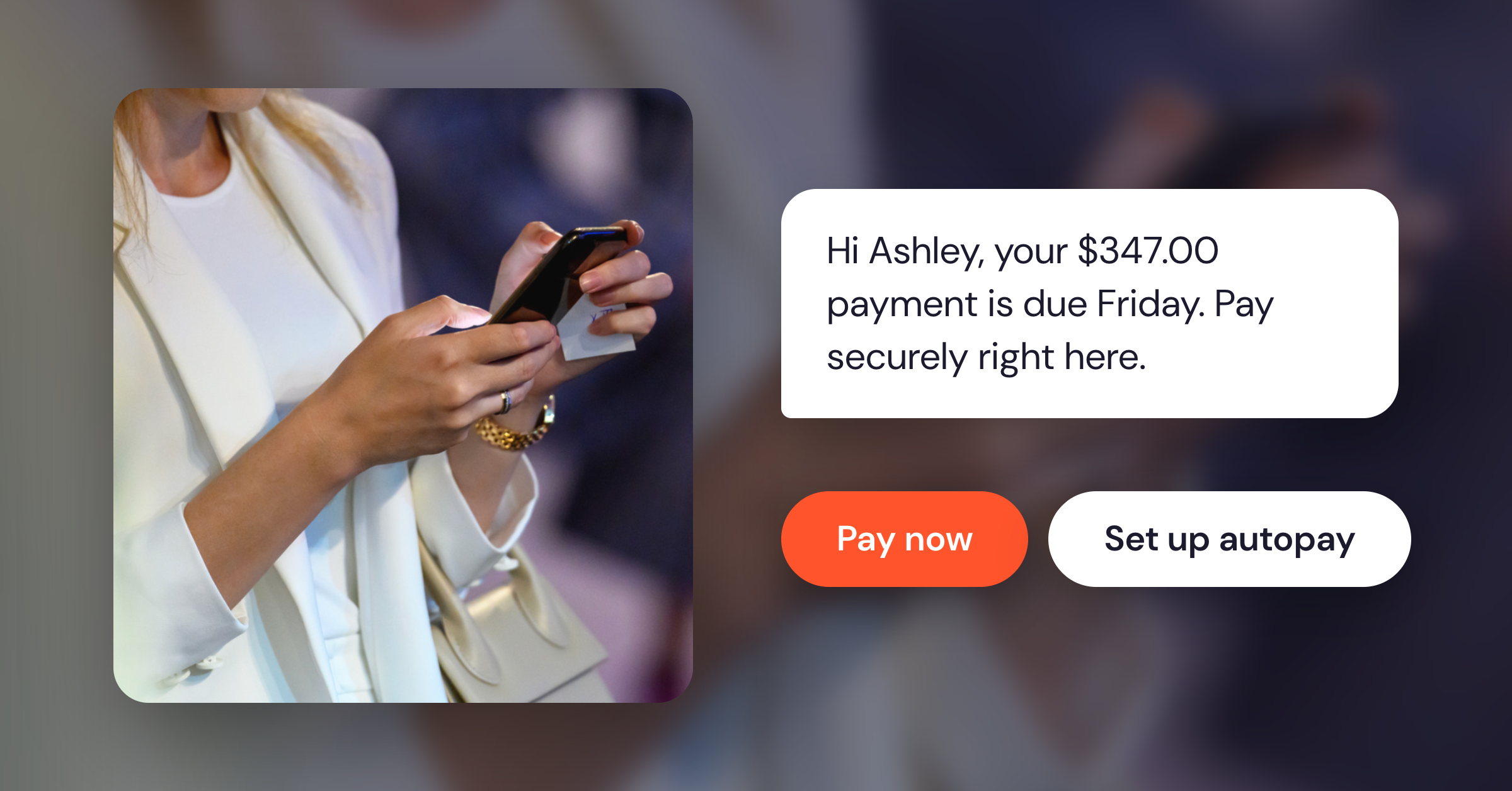 A complicated payment process can cost businesses more than a frustrated customer. It can mean delayed revenue, missed deadlines, and increased delinquencies.
According to The Competition for Consumer Payments, a 2026 study by SBT and Datos Insights, 36% of consumers have delayed a payment because the process was too complicated or time-consuming.
The findings reveal how payment friction can turn a consumer’s intention to pay into a missed payment.
What Is Payment Friction?
Payment friction refers to unnecessary steps or obstacles that make it harder for consumers to complete a payment.
Common sources of friction include:
- Multiple logins or authentication requirements
- Channel switching between apps, websites, and portals
- Reentering account or payment information
- Limited payment methods or options
Each additional step creates another opportunity for consumers to delay or abandon a payment.
How Does Payment Friction Lead to Missed Payments?
The research reveals a concerning progression from payment delays to missed deadlines.
- 36% of consumers have delayed a payment because the process was too complicated or time-consuming.
- 45% of those who delayed a payment went on to miss the payment deadline.
- 71% of consumers who missed a deadline because of friction have done so more than once.
For businesses, the impact goes beyond a single missed deadline. Payment friction can create a recurring cycle of delays, making it harder to collect payments on time and prevent delinquencies.
For lenders and billers these findings highlight an important distinction: a delayed payment does not always indicate an unwillingness to pay. Sometimes, the payment experience itself gets in the way.
How Many Steps Are Consumers Willing to Take to Pay?
Consumers have limited patience for complicated payment journeys.
The study found that 67% of consumers expect to complete a payment in three steps or fewer, from receiving a reminder to completing the transaction.
Nearly one in four (24%) want to pay directly from the reminder in a single step.
For organizations relying on traditional payment portals, additional logins, redirects, and navigation can introduce unnecessary barriers between payment intent and completion.
How Can Businesses Reduce Payment Friction?
Reducing payment friction starts with making it easier for consumers to act when they’re ready to pay.
Organizations should focus on three priorities:
- Reduce unnecessary steps. Simplify the journey between receiving a payment reminder and completing a transaction.
- Minimize channel switching. Enable consumers to move from engagement to payment without navigating multiple systems.
- Measure payment completion. Track the steps, handoffs, and delays that may prevent consumers from completing payments.
Solutions like SBT’s TextPay can help shorten the path from payment reminder to completed transaction by allowing consumers to pay directly through a text conversation. No channel switching, no necessary complexity.
A Simpler Payment Experience Starts With Fewer Barriers
Payment friction is more than a customer experience issue. It can directly influence when, and whether, organizations get paid.
As consumers become more selective about their financial obligations, making payments faster and easier can help businesses capture payment intent before it turns into delay.
Want to understand what influences consumer payment behavior?
Explore The Competition for Consumer Payments, the 2026 research study by SBT and Datos Insights.