When Money Is Tight, Which Bill Gets Paid First?

Your business isn’t the only one waiting for a payment.
Consumers are juggling mortgages, car payments, credit cards, utilities, and other monthly obligations. When money gets tight, not every bill can come first.
So, what determines who gets paid?
New research from SBT and Datos Insights reveals how consumers prioritize payments and why convenience can give businesses an advantage.
What Determines Which Bills Consumers Pay First?
According to The Competition for Consumer Payments, a 2026 study by SBT and Datos Insights, 41% of consumers experienced financial hardship in the past year.
For many, that meant making difficult decisions about which obligations to pay.
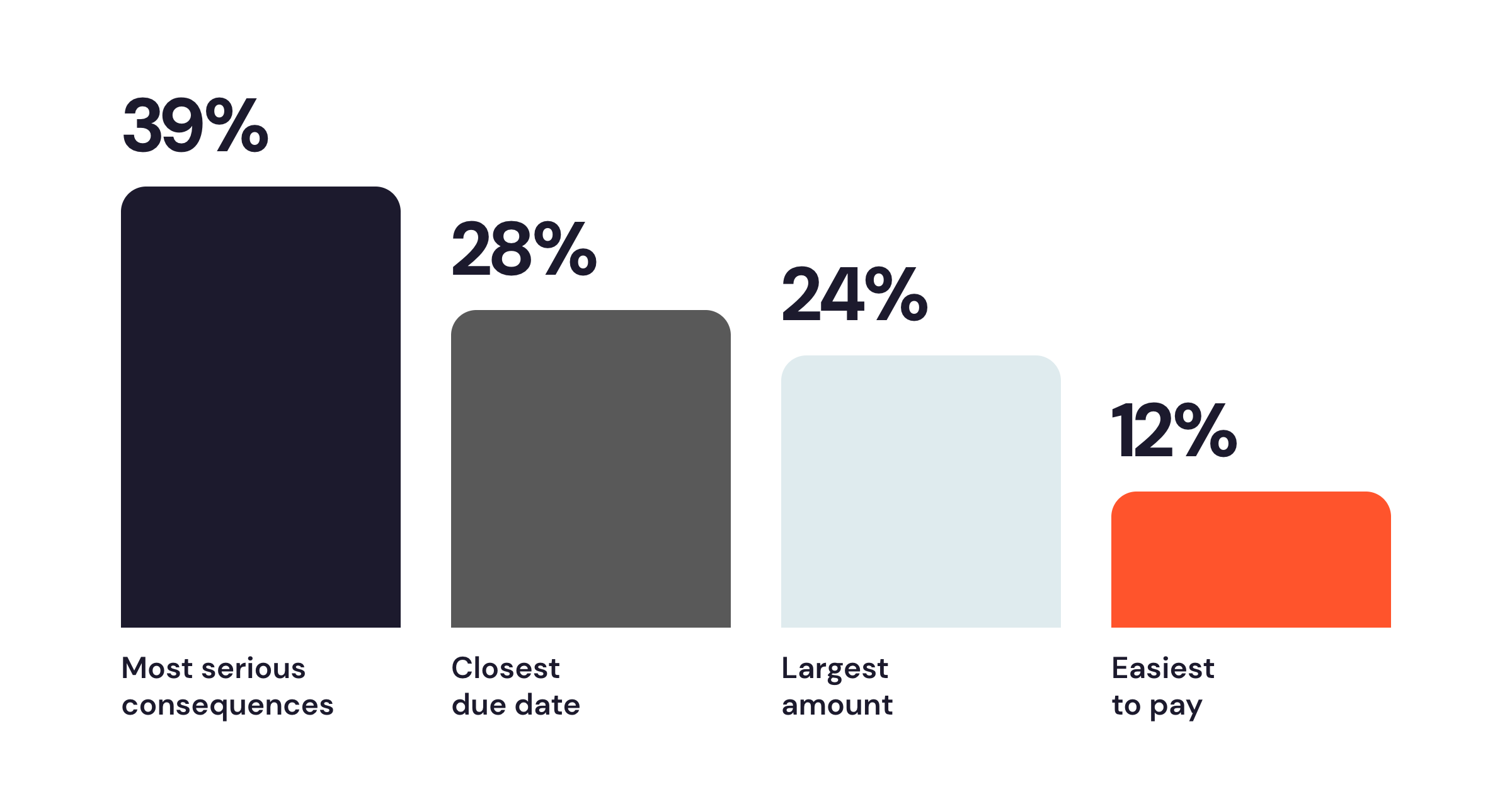
Among consumers who couldn’t pay every bill on time due to financial constraints:
- 39% prioritized bills with the most serious consequences, such as collections, service shutoffs, or late fees.
- 28% paid bills with the closest due dates first.
- 24% prioritized their largest obligations
- 12% prioritized bills that were easiest to pay.
Clearly, financial consequences and due dates matter. However, the payment experience also has a role in how consumers make decisions.
Can an Easier Payment Experience Influence Who Gets Paid First?
When consumers face competing obligations, convenience can become a deciding factor.
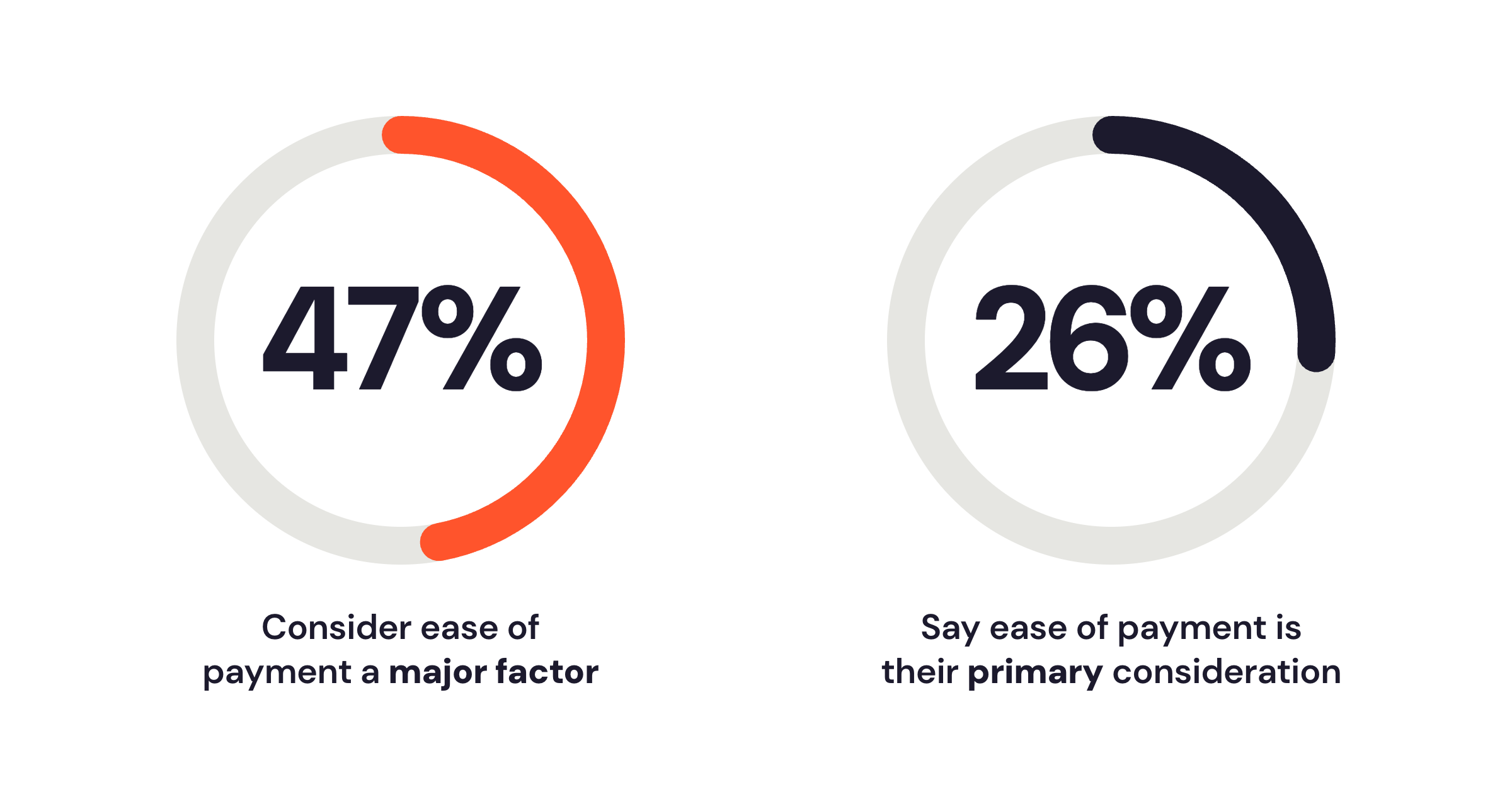
The research found that 47% of consumers consider ease of payment a factor when deciding which bill to pay first. In fact, 26% identified it as their primary consideration.
Another finding makes the opportunity even clearer.
When presented with two otherwise identical $500 obligations, 53% chose the creditor offering immediate payment by replying to a text, compared with only 26% who chose the creditor requiring an email reminder that pushed to a website with a portal login. The remaining 21% stated that it would depend on the situation, or that they were unsure.
The takeaway? When financial priorities are equal, making payment easier can help businesses stand out.
Does Payment Reminder Timing Matter?
How quickly businesses reach consumers can also influence payment priority.
The study found that 36% of consumers say reminder timing always or usually influences which creditor they pay first.
For lenders, billers, and collection agencies, this highlights the importance of timely, convenient payment communication.
After all, a reminder shouldn’t simply tell consumers what they owe. It should make taking the next step easy.
How Can Businesses Make Payments Easier?
Winning the payment moment requires more than sending reminders. Businesses also need to reduce the effort required to act on them.
That’s where connected messaging and payments can make a difference.
SBT helps organizations reach consumers through timely, two-way text messaging. With SBT’s TextPay, businesses can also bring payment directly into the conversation.
As a result, consumers can move from receiving a reminder to completing a payment without unnecessary steps or channel switching.
Make Every Payment Opportunity Count
Consumers will always have competing financial priorities. Businesses can’t control every factor behind those decisions.
However, they can control how easy it is to engage and pay.
When payment experience becomes a deciding factor, convenience isn’t just a customer experience benefit. It’s a business opportunity.
Want to understand what influences consumer payment decisions?
Explore The Competition for Consumer Payments, the 2026 research study by SBT and Datos Insights.